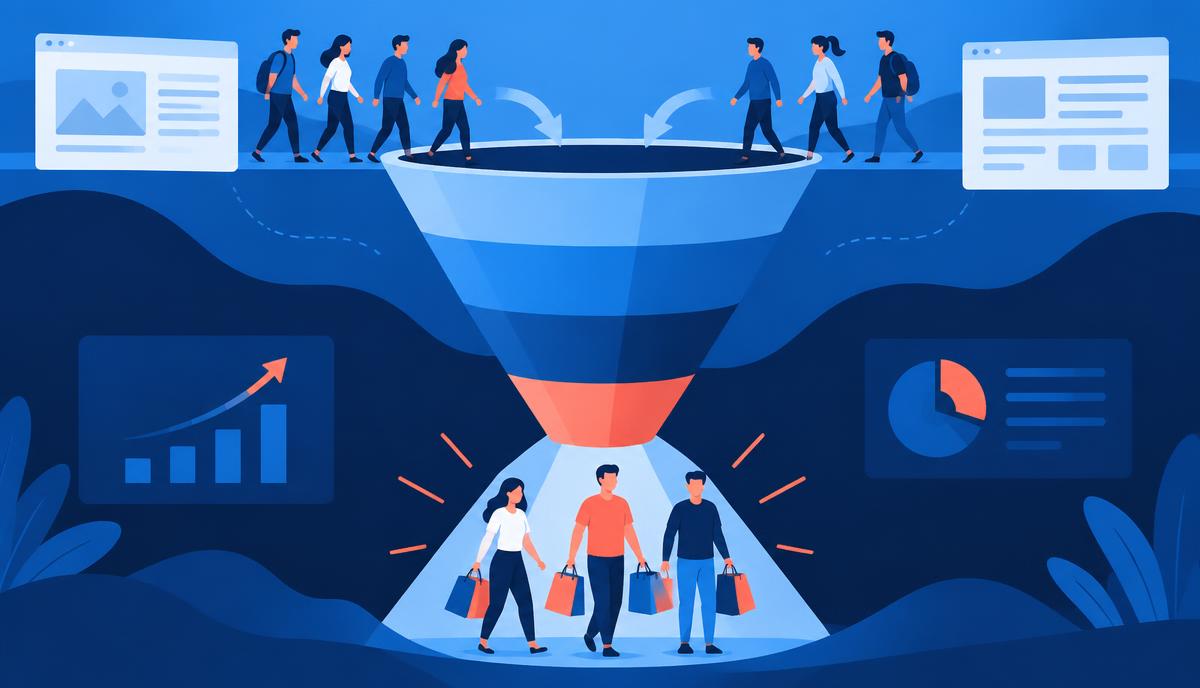
Website personalization sounds like something reserved for large ecommerce brands with entire data teams. In practice, a Kernersville business with a handful of customer segments can implement simple personalization that meaningfully improves conversion, without touching a complicated software platform.
What Personalization Actually Means at a Small Scale
Personalization is any change to what a visitor sees based on who they are or how they arrived at your site. That could be as simple as showing different headline copy to someone who clicked a Google ad for emergency service versus someone browsing organically for general information. It does not require artificial intelligence or a large budget to be effective.
The goal is relevance. A visitor who feels like the page was written specifically for their situation converts at a noticeably higher rate than one reading generic copy meant to serve everyone at once.
Start With Your Traffic Sources, Not Your Technology
Before evaluating any personalization tool, look at where your Kernersville traffic actually comes from. Most local businesses have three or four distinct visitor types, and each one arrives with a different level of urgency and a different question in mind.
- Paid search visitors searching with urgent, high intent terms who want a fast answer and a way to contact you immediately.
- Organic search visitors researching earlier in their decision process who want detail and credibility before contacting anyone.
- Referral visitors arriving from a review site or a partner link who already trust you somewhat and just need confirmation.
- Returning visitors who have been on the site before and may be closer to a decision than a first time visitor.
Simple Personalization Tactics That Do Not Require New Software
- Create separate landing pages for your paid campaigns instead of sending all traffic to the homepage.
- Adjust headline copy based on the search term or ad group that brought the visitor in, using basic URL parameters.
- Show a different call to action to returning visitors, since they may be ready to book rather than just learn more.
- Use location detection to greet visitors from Kernersville and the surrounding area by name in a banner or headline.
Dynamic Content Blocks Worth Testing
Many website platforms already support conditional content blocks that display different text or images depending on referral source, device type, or time of day. A Kernersville HVAC company, for example, might show an emergency service message to mobile visitors arriving in the evening, while showing a maintenance plan offer to desktop visitors browsing during business hours.
Personalizing Based on Service Area
If your business serves Kernersville along with several nearby towns, dedicated pages for each service area allow you to personalize messaging without complex software. A visitor searching from a neighboring town who lands on a page written specifically for their area converts better than one landing on a generic service page that never mentions their location.
Using Behavior to Adjust the Experience
Simple behavioral cues can guide light personalization. A visitor who has scrolled through your pricing page twice without converting is a strong candidate for a targeted follow up offer or a live chat prompt, while a first time visitor on the homepage benefits more from a broad introduction to what you do. Our services page is structured with this kind of layered detail in mind.
Measuring Whether Personalization Is Working
Track conversion rate by traffic source and by landing page variant, not just as a single site wide number. If a personalized landing page converts noticeably better than the generic homepage for the same traffic source, that is your signal to expand the approach to other segments.
What to Avoid
- Personalizing so aggressively that the experience feels invasive rather than helpful.
- Building complex rules before you have enough traffic to measure whether they work.
- Neglecting the baseline experience for visitors who do not fit any of your defined segments.
- Assuming personalization software alone will fix a page that has weak copy or no clear offer to begin with.
A Practical Starting Plan
Identify your top two traffic sources, write one dedicated landing page for each, and run both for thirty days before making further changes. This single step produces more measurable improvement for most Kernersville businesses than an elaborate personalization platform implemented all at once. When you are ready to expand, our contact page is the fastest way to talk through the next stage.
A Worked Example
Consider a Kernersville plumbing company sending 60 percent of paid traffic to a generic homepage. Splitting that traffic into a dedicated emergency landing page and a dedicated maintenance plan page, each with headline and calls to action matched to intent, commonly lifts conversion from a baseline around 3 percent up into a 5 to 8 percent range. The exact lift depends on how mismatched the original page was to begin with.
A 90 Day Rollout Plan
- Days 1 to 20: identify your top two traffic sources and document what each visitor type actually needs to see.
- Days 21 to 50: build and launch one dedicated landing page per top traffic source.
- Days 51 to 80: run both pages against the existing homepage and track conversion rate by source.
- Days 81 to 90: decide whether to expand personalization to a third segment based on what the data shows.
Staffing and Budget Considerations
Simple personalization like dedicated landing pages does not require a dedicated specialist. A part time content writer and whoever manages your website platform can typically build and launch two segment specific pages within a few weeks. Reserve a real personalization software budget only after you have proven the concept works with these low cost, manual approaches first.
Questions to Ask a Vendor Selling Personalization Software
- What happens to conversion tracking if a visitor fits more than one segment at once?
- Can we start with two simple rules before committing to the full platform?
- How is visitor data collected and stored, and does that fit our privacy obligations?
- What does the tool cost once we are past any introductory pricing period?
Get a personalization plan built for your traffic
We will look at your actual traffic sources and recommend two or three personalization changes that fit your budget and your Kernersville customer base.
Book a Free Strategy Call