A Kernersville firm relying on one or two junior sales development reps is competing against systems that never sleep, never forget a follow up, and never run out of research time. AI SDR tools are changing what outbound looks like for high ticket service businesses, and understanding the shift matters more than adopting any specific tool.
What an AI SDR System Actually Does
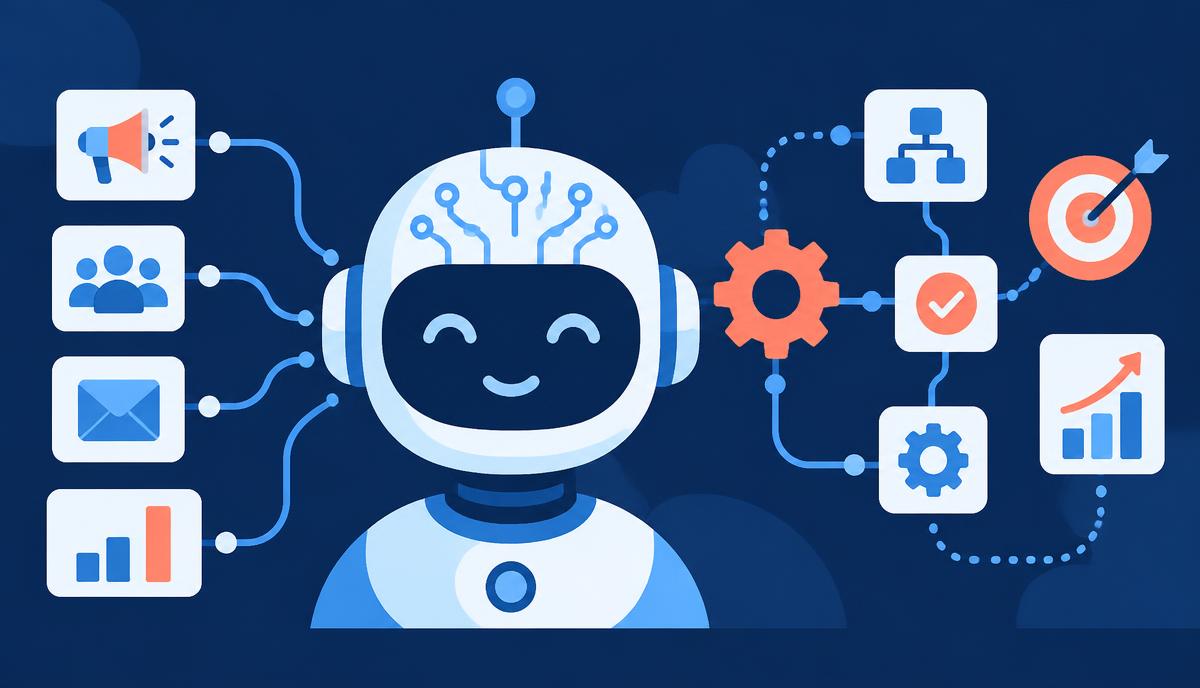
A traditional sales development rep spends a large share of the workday on tasks that are not selling: researching accounts, drafting outreach, updating the CRM, and chasing people who never reply. An AI SDR system automates that overhead. It scans a target account list, pulls relevant company details, drafts personalized outreach, sends it across multiple channels, and hands off any interested reply to a human for the actual conversation.
Done well, this is not mass email with a friendlier subject line. The strongest implementations use real, specific details about each company, recent news, job changes, or public signals of the exact problem the firm solves, so the message reads like it was written by someone who did the research, because in a sense, something did.
Why the Old Outbound Model Is Struggling
Buyers today receive a steady stream of cold outreach from every direction, and generic sequences increasingly go unanswered. The volume approach that used to work when inboxes were quieter now competes with everyone else running the same playbook.
- New sales development reps take months to become fully productive, and the role has high turnover, so firms are constantly retraining.
- Manual personalization does not scale past a handful of top accounts, while buyers can tell the difference between real research and a mail merge.
- Good timing windows, when a prospect is actively comparing vendors, are often brief and easy for a human cadence to miss entirely.
- Consistent follow up across many touches is difficult for a person managing a large list, and most deals require several attempts before anyone responds.
The Four Layers of a Working AI SDR System
Firms getting real results from AI SDR tools tend to have built four connected pieces rather than simply turning on a single piece of software.
- Account selection: continuously scoring a target list using company size, industry, location, and signals that suggest active interest, so outreach only goes to accounts showing real fit.
- Personalization: constructing each message from actual details about the company rather than a generic template with a name inserted.
- Multi channel delivery: coordinating email, professional network messages, and other touchpoints so a prospect encounters the firm more than once without feeling spammed.
- Human handoff: routing any positive reply to a sales person immediately, with enough context that the person can respond meaningfully without starting from scratch.
Where Kernersville Firms Get This Wrong
The most common mistake is treating an AI SDR tool as a way to contact more people, when its actual value is contacting the right people with a better message. Firms that simply expand their list size while keeping generic messaging often see reply rates get worse, not better, because volume without relevance erodes trust in the domain sending the email.
Defining Who the System Should Target
An AI SDR system amplifies whatever targeting logic it is given. A vague definition of the ideal customer produces outreach that reaches a wide but low fit audience quickly, which looks like progress on a dashboard and produces little real pipeline. Spending real time narrowing the ideal customer profile before turning on any automation is the highest leverage step in the whole process, more important than which specific tool gets chosen.
What Happens After a Prospect Replies
The automated part of the system ends the moment a prospect shows interest. From there, a human needs to respond quickly and with full context about what the prospect has already seen. A slow or generic response at this stage can undo weeks of carefully built outreach, since the prospect's attention and interest are highest right after they reply.
Firms that get the most value from AI SDR systems tend to free their sales team from prospecting entirely and let them focus on the conversations that come in, since a sales person spending all their time in front of interested prospects closes more business than one splitting attention between prospecting and closing.
Thinking About the Investment Realistically
A Kernersville firm considering this shift should weigh the ongoing cost of hiring, training, and retaining human prospectors against the cost of a well built automated system, while recognizing that automation still requires setup time, ongoing management, and a real ideal customer definition to succeed. Neither approach works without a human closing the loop on qualified conversations. The realistic goal is redirecting people toward the work only people can do, not eliminating the sales function altogether. Comparing this against how firms structure their broader marketing and sales systems helps put the investment in context.
Starting Small Instead of Rebuilding Everything
A firm does not need to replace its entire outbound process on day one. Running an AI assisted sequence in parallel with existing outreach, aimed at a distinct segment the current team is not reaching well, is a low risk way to see whether the approach fits. Measuring reply quality and meeting outcomes over a couple of months gives a clear signal before any larger commitment.
Firms exploring this shift alongside a broader pipeline strategy often benefit from reviewing our case studies to see how automation and human follow up have been balanced in similar situations, and a conversation through our contact page is a reasonable next step once the target account list is defined.
Build an outbound system that fits your Kernersville pipeline
We help Kernersville firms define target accounts and design outbound systems that combine automation with a fast, well informed human handoff.
Book a Free Strategy Call